
 New Patients: (319) 243-1784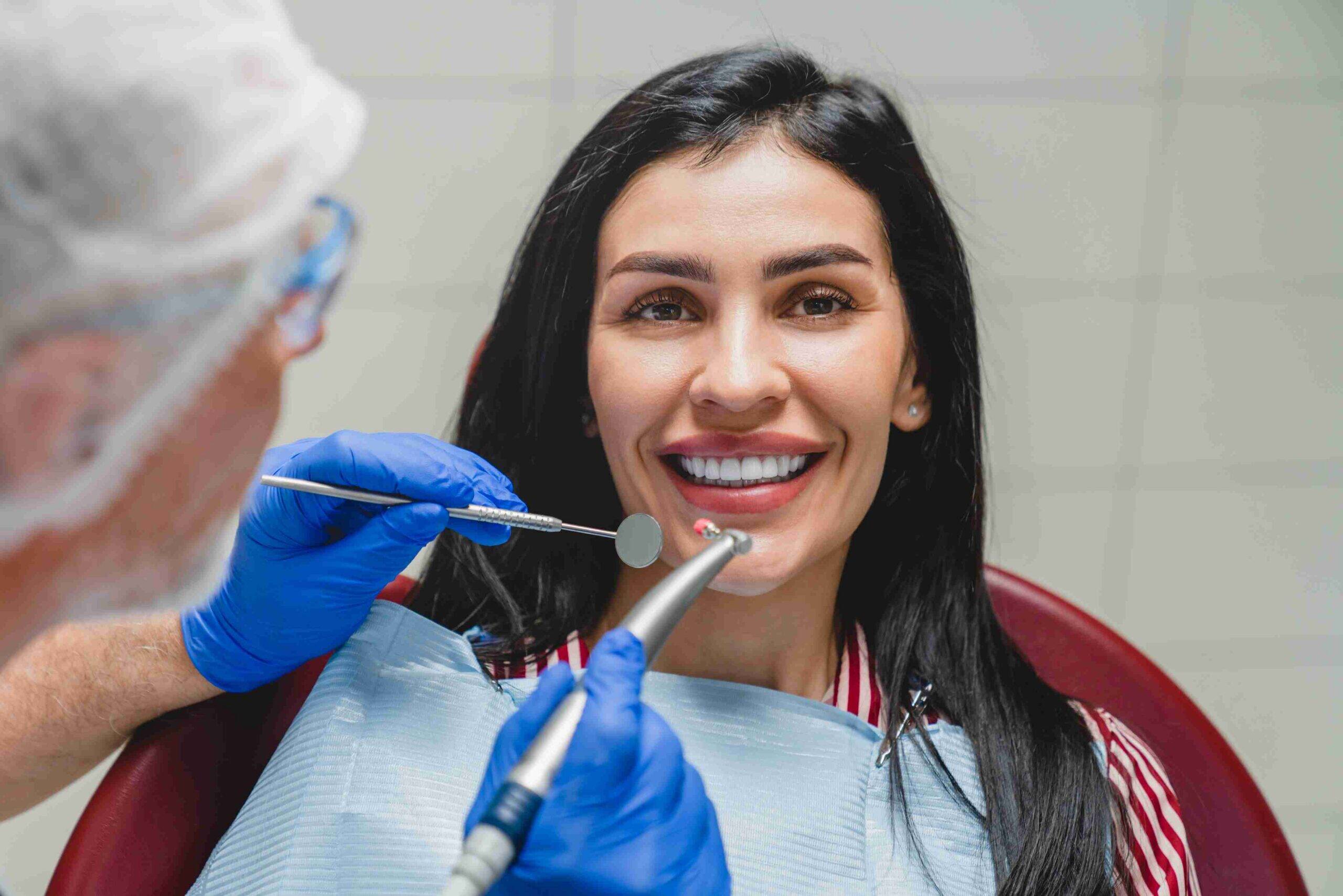
A dentist at Cedar Falls, IA can help patients and families plan oral health care through exams, cleanings, cavity screening, gum checks, preventive guidance, restorative care, and follow-up based on changing needs. Dental planning may look different for children, teens, adults, and older patients because risks change over time. Cedar Falls patients can use routine visits to track concerns early, protect existing dental work, and receive practical guidance for long-term oral health.
Dental needs change as families moves through different stages of life. A child may need help building brushing habits. A teen may deal with sports, orthodontics, or frequent snacking. An adult may notice tooth wear, gum changes, or sensitivity. An older patient may need a closer review of restorations, dry mouth, or chewing comfort.
Patients searching for a dentist at Cedar Falls, IA often want care that supports more than one concern. Family dental planning can bring cleanings, exams, prevention, gum care, restorative needs, and follow-up into a clearer routine.
For Cedar Falls families, the goal is not only to treat problems after they appear. It is to understand risk, track changes, and guide oral health decisions over time.
Why Family Dental Planning Helps
Every patient has different oral health needs. Risk can change based on age, diet, brushing habits, saliva, medical history, medications, dental work, and gum health.
One person may need cavity prevention. Another may need gum monitoring. Someone else may need to check around crowns, fillings, implants, or dentures in Cedar Falls IA.
A family dental plan helps organize care around each person’s needs. It can make appointments more useful because patients know what is being monitored and why.
What Dentist Cedar Falls IA Visits May Include
A dentist at Cedar Falls, IA visit may include a review of symptoms, health history, medications, home care habits, diet, and dental concerns. Patients should mention sensitivity, gum bleeding, dry mouth, jaw soreness, food trapping, or changes in chewing.
The visit may include an exam, cleaning, gum measurements, oral tissue check, bite review, and X-rays when needed. Existing fillings, crowns, bridges, implants, or dentures may also be reviewed.
After the appointment, each patient should understand the next step. That may be routine prevention, monitoring, treatment, or changes in home care.
Children Need Early Habit Support
Children are still learning how to brush, floss, and understand dental visits. Early guidance can help families know what is normal and what needs attention.
A dentist may check tooth eruption, plaque buildup, cavity risk, enamel concerns, and bite development. Parents can ask how much help children need with brushing and how snacks or drinks affect their teeth.
Cedar Falls families should know that young children often need help cleaning back teeth. Good habits usually develop with steady support and simple routines.
Teens Have Their Own Dental Risks
Teen dental care can be affected by busy schedules, sports, orthodontic appliances, frequent snacking, energy drinks, and inconsistent flossing. These habits can raise cavity and gum risk.
Dental visits can check for cavities, gum inflammation, wisdom tooth concerns, mouthguard needs, and cleaning challenges around braces or aligners.
A family dentist at Cedar Falls visit can also help teens take more responsibility for oral health. Clear, direct guidance often works better than a long list of warnings.
Adults Often Need Maintenance and Monitoring
Adults may need to care for tooth wear, gum health, cavities, old fillings, sensitivity, cracked teeth, or missing teeth. Stress, health changes, and daily routines can affect the mouth.
Clenching and grinding may cause worn enamel, chipped teeth, jaw tightness, or morning soreness. Medications may cause dry mouth, which can increase cavity risk.
Routine care helps track these changes before they become harder to manage. Cedar Falls patients should mention small symptoms, even if they come and go.
Older Adults May Need Closer Review
Older adults may have more restorations, gum recession, root exposure, dry mouth, or medical conditions that affect oral care. These factors can make cleaning and monitoring more important.
Crowns, bridges, dentures, implants, and older fillings need ongoing checks. Fit, comfort, bite pressure, cleaning access, and gum health may change over time.
A dentist can help older patients review daily cleaning tools, chewing comfort, and health changes. This supports safer long-term care decisions.
Preventive Care Should Fit Each Person
Prevention is most useful when it matches the patient’s needs. A child with deep grooves may need different guidance than an adult with gum recession or an older patient with a dry mouth.
The dentist may discuss fluoride use, brushing technique, flossing tools, diet habits, gum care, or protective options when appropriate. The plan should match the exam findings.
Cedar Falls patients should ask which areas are hardest to clean and what risks are most important. Specific guidance makes daily care easier to follow.
Gum Health Across the Family
Gums can become irritated at any age. Bleeding, puffiness, tenderness, recession, or deeper pockets may suggest inflammation or gum disease risk.
Gum measurements help track support around teeth. They are especially useful for adults and older patients, but gum health matters for teens too.
Patients should not ignore bleeding that happens only sometimes. It may point to plaque, tartar, brushing changes, or a hard-to-clean spot.
Restorations Need Long-Term Checks
Fillings, crowns, bridges, implants, and dentures can change with daily use. A filling may chip, a crown edge may collect plaque, or a denture may fit differently over time.
Patients may notice food trapping, floss catching, rough edges, or a change in bite. Sometimes concerns are found during the exam before symptoms appear.
Routine dental care can help decide whether a restoration is stable, should be watched, or needs repair. This helps families plan rather than react to sudden problems.
Bite and Jaw Comfort Matter
The bite affects how teeth share force. Grinding, clenching, missing teeth, uneven contacts, and tooth wear can affect comfort and dental work.
A dentist may check for flattened enamel, small chips, jaw tightness, headaches, or teeth that feel sore when chewing. These signs may guide monitoring or treatment options.
Families in Cedar Falls should mention sports habits, mouthguards, jaw clicking, or morning soreness. These details can help the dentist understand bite function.
What Patients May Value from Family Dental Care
Family dental planning can support different needs with a clear oral health approach.
Patients may value:
- Age-based dental guidance
- Cleanings and cavity screening
- Gum health tracking
- Bite and wear review
- Checks around restorations
- Home care advice by risk
- Support for children and teens
- Monitoring for adults and older patients
- These benefits depend on each person’s oral health, habits, and follow-up needs.
What to Expect Before During and After
Before the visit, families can list concerns for each patient. Sensitivity, bleeding, dry mouth, jaw soreness, food trapping, dental anxiety, or tooth wear should be shared.
During the appointment, the dental team may complete cleanings, exams, gum checks, X-rays when needed, and oral health discussions. Recommendations should be explained in a simple language.
After the visit, each patient should know the next step. This may be routine prevention, home care changes, monitoring, or treatment based on findings.
Local Patient Review
“Our family had different questions at each appointment. The visits helped us understand what needed care now and what could be watched.”
Planning Dental Care Around Real Family Needs
Family dental care can help Cedar Falls patients manage changing oral health needs through exams, cleaning, gum tracking, prevention, restorative care, and clear follow-up. Each stage of life brings different risks and questions. With All Smiles Family Dentistry, care can focus on practical guidance, steady monitoring, and dental planning that fits each patient’s needs.
Frequently Asked Questions
Why should each family member have a different dental plan?
Each person has different risks, habits, dental history, and oral health needs. Children, teens, adults, and older patients often need different guidance.
Can a dentist in Cedar Falls, IA help with prevention only?
Yes, many visits focus on cleanings, exams, gum checks, cavity screening, and home care guidance before treatment is needed.
How can parents help children brush better?
Parents can supervise brushing, help reach back teeth, and keep routines simple. Many children need help until brushing improves.
Why do teens often get cavities?
Frequent snacking, sugary drinks, orthodontic appliances, busy routines, and missed flossing can raise cavity risk.
What should adults ask during routine dental care?
Ask about gum health, tooth wear, old fillings, sensitivity, and whether any areas need monitoring.
Can dry mouth affect older adults’ teeth?
Yes, a dry mouth can raise cavity risk and make eating or speaking uncomfortable. Medication changes should be discussed.
Do crowns and bridges still need checkups?
Yes, gums, edges, bite fit, and cleaning access should be checked. Dental work can change over time.
How often should Cedar Falls patients visit the dentist?
The right schedule depends on cavity risk, gum health, medical history, and dental work. A dentist can recommend timing after evaluation.