
 New Patients: (319) 243-1784
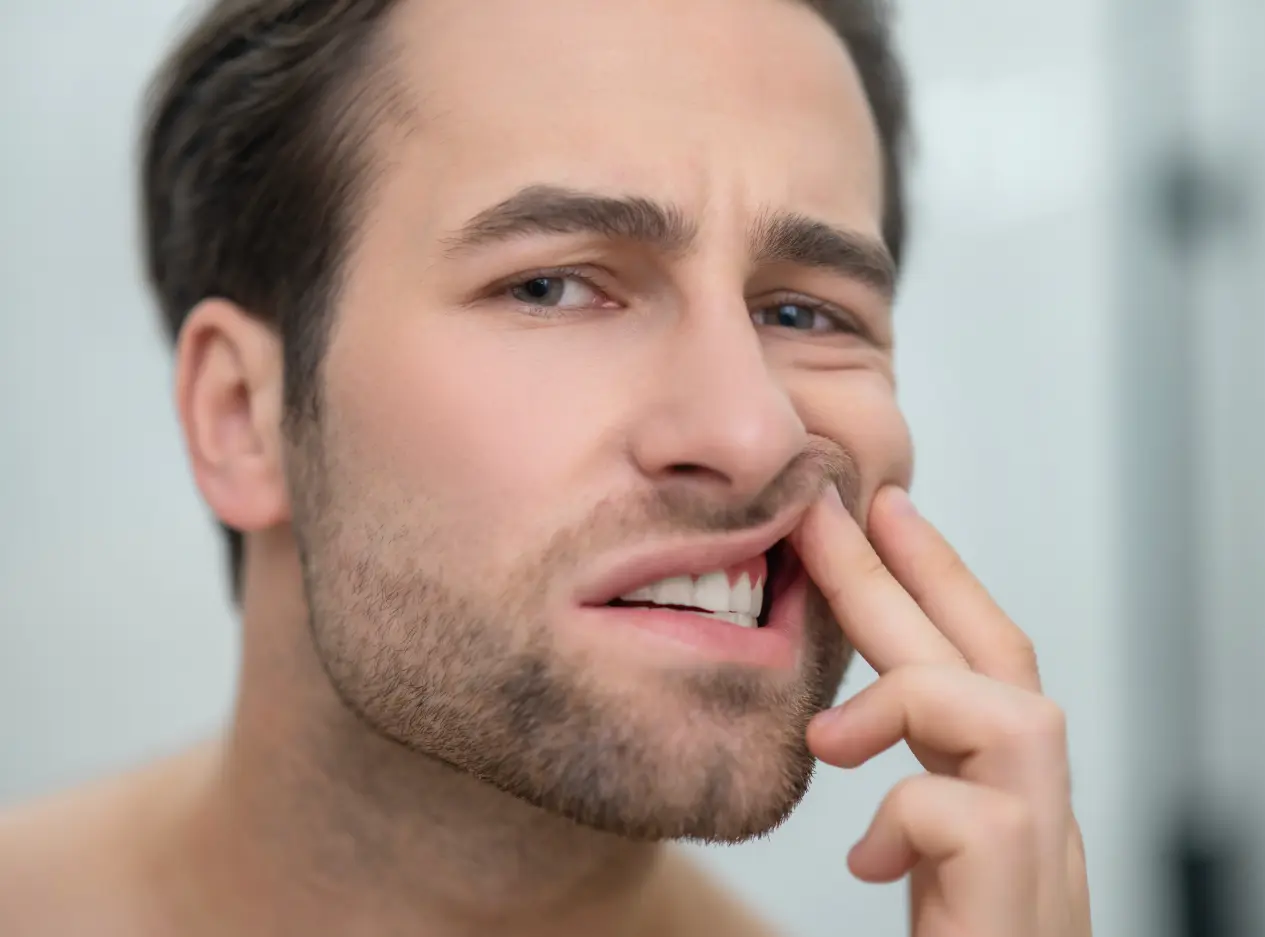
A sip of cold water, a breath of chilly air or a bite of ice cream can make a single tooth react in a way that is hard to ignore. When the cause is gums that have pulled back, the roots underneath lose their natural cover. Learning what can restore that protection helps you decide what comes next. This blog covers how a gum graft can protect exposed roots, which changes make it worth considering, why treating receding gums early helps, how a graft rebuilds coverage and how the path to a healed gum line unfolds.
A Gum Graft Can Protect Exposed Roots and Calm Sensitivity
Tooth roots are not designed to be exposed, and they react more easily to temperature and touch than the enamel above them. A gum graft adds healthy gum tissue to the area, so the root has a protective covering again.
With that covering in place, sensitivity can ease and the gum line can look more even. Gum grafting also helps shield the root from further wear.
Which Changes Make a Gum Graft Worth Considering
Gums can pull back slowly, and the signs often build up over months or years. Grafting may be worth discussing when you notice any of the following.
- Spot teeth that look longer than they once did.
- Feel a sharp reaction to hot, cold or sweet foods.
- Notice a visible notch or darker area near the gum line.
- Watch for gums that continue to pull away from certain teeth.
- Track tooth sensitivity that keeps returning despite careful brushing.
Why Treating Receding Gums Early Helps Protect Your Teeth
Gum recession can keep progressing. Once a root is exposed, it can become more sensitive and more vulnerable to wear and decay, which is why many people prefer to address it before it advances.
Acting sooner also gives your dentist more healthy gum tissue to work with. A timely visit can help protect the teeth you have now.
How Grafting Rebuilds Coverage Over Exposed Roots
Grafting follows a clear purpose: replace lost gum coverage so the root is protected. A few key ideas explain how it works.
Healthy Tissue Added to the Area
Soft tissue is placed along the area where the gum has receded, giving the root a new layer of protection.
Roots Covered and Protected
With the tissue in place, the exposed root is shielded from temperature changes and everyday wear.
Gum Contour Reshaped
Gum grafting and reshaping can also even out the gum line, which may improve how the smile looks as well as how the teeth feel.
The Path From Consultation to a Healed Gum Line Unfolds in Stages
The journey begins with an exam, where your dentist looks at the affected teeth and talks through your goals. A treatment plan follows, outlining what the graft involves and what to expect afterward.
After the graft, the area needs time to heal, and your dentist will explain how to care for it during that period. Follow-up visits allow progress to be checked, and routine cleanings help keep the surrounding gums in good condition.
Get Exposed Roots Protected With a Gum Graft at All Smiles Family Dentistry in Cedar Falls, IA
All Smiles Family Dentistry in Cedar Falls, IA offers gum grafting and reshaping for patients with exposed roots and receding gums. Schedule a consultation to find out whether a gum graft suits your smile.
Frequently Asked Questions
Is a gum graft painful?
The area is numbed during treatment, so you should not feel pain while it is performed. All Smiles Family Dentistry also offers nitrous oxide and IV sedation for anxious patients.
How long does healing take?
Healing time varies from person to person and with the size of the area treated. Your dentist at All Smiles Family Dentistry can explain what to expect during recovery.
Can grafting reverse gum recession?
A graft can cover exposed roots, but it does not remove the reason the gums pulled back. Brushing habits or gum disease may need attention, and a consultation can sort out the cause.
Who may be a good candidate for grafting?
People with receding gums, exposed roots or ongoing sensitivity may be candidates. Overall gum health also matters, so an exam is the right way to find out.
How should I care for my gums afterward?
Follow your dentist’s instructions, which typically include careful brushing and softer foods near the area for a time. Questions about aftercare are welcome at All Smiles Family Dentistry.